I know of SEVERAL people (friends and family) who are expecting a new little bundle of joy in the coming months and a few of them will be new to cloth diapering. I have had "cloth diapering a newborn" on my brain lately, so I thought I would write up a post for all those with questions and wondering what to get, how to do it, and how much of each item they will need.
Many people will wait until their baby is a bit older to start cloth diapering, but in my opinion, when they are newborn is the easiest to cloth diaper. This is when you will save the most money as well, since you go through so many diapers with newborns. At this stage they are only eating breast milk or formula and both are water soluble, so there is no need to rinse diapers after they are soiled. The dirty diaper simply goes into the wetbag or pail, and then straight into the washing machine.
When using cloth diapers on a newborn, another pro is that you will have far less blowouts. This is thanks to an elastic waist and gussets in the legs that act as barriers to keep everything contained. You may still have an occasional blowout to clean up, but everyone I have heard of that has cloth diapered says they can count on one hand the number of blowouts their child has had. Boston had two. Now, that I can handle.
So the next thing you are probably wondering is, "So, what do I need to get?"
You will need:
*10-12 diapers (if you plan to wash daily), or 20-24 diapers if you would rather wash every other day (I highly recommend doing laundry every other day. Especially with a newborn).
*4-6 diaper covers.
*2 X-large hanging wetbags or pail with liners (I prefer the wetbag that can just be zipped closed and carried to the washing machine). I recommend Monkey Foot Design wetbags...they are VERY durable and have a high quality PUL with a heavy duty zipper to contain all smells.
*24-36 cloth wipes, or disposable wipes.
For newborns, the diapers I suggest are fitteds with covers. It is an extra step to put on a cover after a fitted, but it is easier to get a good fit around those skinny newborn legs to contain messes than it can be with an AIO. I recommend Kissaluvs size 0 fitteds with Proraps size Newborn covers, or Thirsties Duo Wrap Cover size 1 if you're looking for that "cuteness/color" factor. Both of these have gussets in the legs and I suggest getting them in Aplix (velcro) for a newborn as it makes for a quicker change with having the extra step of putting a cover over a fitted.
If you would like to get a couple of different kinds of diapers, I would suggest the majority be fitteds with covers and then get a handful of AIOs like Lil Joeys. They take a bit of prepping (washing) to reach their full absorbency, but when they do they were my #1 go to diaper when they were clean.
There are also a number of sites that offer newborn cloth diaper rentals, such as at Jillian's Drawers, Sweetbottoms, or Kissed By the Moon .
For nighttime, I suggest placing a stay-dry liner in the diaper so that baby won't feel wet. Also, a bamboo doubler to increase absorbency. Sustainable babyish bamboo fitteds are amazing! They have been dubbed the "magic diaper" because they work through the night for everyone. They have a bamboo insert, plus a 3-layer bamboo lay-in soaker. They are a little on the expensive side, but so worth the money. I bought 3 and used them solely for nighttime. Love them! (Sign up for email coupons and discounts on her website).
Have fun diapering that tiny bum in fluff!
Showing posts with label baby. Show all posts
Showing posts with label baby. Show all posts
Tuesday, January 17, 2012


Friday, January 13, 2012
Wipes
Cloth wipes are great to use! I use them while at home and they are so nice. They clean up like using a washcloth and you don't have to worry about how many you are using because they will be washed and placed right back where you can use them again! (That is, if you put them back and don't leave them in the dryer). I thought I would give you a couple of ideas on what to use for cloth wipes, as well as a wipes solution you can make at home.
Wipes:
Flannel receiving blankets: Cut into 8" x 8" squares and zig-zag around the edges (or serged).
Inexpensive washcloths from the Dollar Store or elsewhere.
Any fabric you have laying around at home or even old t-shirts or cotton sheets.
Some great fabrics to use for wipes are: sherpa, velour, hemp fleece, and flannel.
Solution:
There are many homemade solutions you can find on the web and make yourself. This is the one I like to use:
2 Tbsp baby oil (or olive oil)
2 Tbsp baby wash
2 cups water
Add water, then oil, then soap. Store in an airtight container (I use an old glass applesauce jar). Mix up fresh solution once a week.
I used to just mix this up in my wipes warmer and then dip my wipes in and wring out each time I use them, but lately (because I seem to go through it a lot quicker) I have been keeping it in a large glass applesauce jar (that is cleaned out of course) and shake it all up, pour some in the wipes warmer, and then store the rest of it in the closet in the baby's room. I occasionally will wash out the wipes warmer with baby wash if it starts to smell mildewy.
Another option would be to just use warm water to wet them or you can put the water/solution in a spray bottle and spray baby's bum with it, then wipe with a wipe. With the spray bottle you can take cloth wipes with you in the diaper bag and just throw in the spray bottle as well. It is just a matter of figuring out what you like and what works best for you.
If you have an old disposable wipes container, Kim with Dirty Diaper Laundry shows an awesome way to fold cloth wipes together so that they pop up out of the container with each pull of a wipe, just like disposables do. Pretty nifty and quite convenient. You can put your wipes in the container and then just pour the solution over it and store in there if you go through wipes rather quickly. You just don't want it to start smelling like mildew or grow bacteria if it takes you a while to go through very many wipes. Try putting in half the amount of wipes.
Remember, you can still use disposable wipes while cloth diapering if you choose. I usually use these away from home and you can just throw them right in with your diapers and wash, then remove from the washer and put them in the garbage before transferring them to the dryer (causes lots of lint and there is no sense in drying something you're just gonna throw away).
Cloth wipes do a great job of cleaning up, especially because they are more like a washcloth than a paper towel.
Now go get you some cloth wipes and give 'em a go!
Wipes:
Flannel receiving blankets: Cut into 8" x 8" squares and zig-zag around the edges (or serged).
Inexpensive washcloths from the Dollar Store or elsewhere.
Any fabric you have laying around at home or even old t-shirts or cotton sheets.
Some great fabrics to use for wipes are: sherpa, velour, hemp fleece, and flannel.
Solution:
There are many homemade solutions you can find on the web and make yourself. This is the one I like to use:
2 Tbsp baby oil (or olive oil)
2 Tbsp baby wash
2 cups water
Add water, then oil, then soap. Store in an airtight container (I use an old glass applesauce jar). Mix up fresh solution once a week.
I used to just mix this up in my wipes warmer and then dip my wipes in and wring out each time I use them, but lately (because I seem to go through it a lot quicker) I have been keeping it in a large glass applesauce jar (that is cleaned out of course) and shake it all up, pour some in the wipes warmer, and then store the rest of it in the closet in the baby's room. I occasionally will wash out the wipes warmer with baby wash if it starts to smell mildewy.
Another option would be to just use warm water to wet them or you can put the water/solution in a spray bottle and spray baby's bum with it, then wipe with a wipe. With the spray bottle you can take cloth wipes with you in the diaper bag and just throw in the spray bottle as well. It is just a matter of figuring out what you like and what works best for you.
If you have an old disposable wipes container, Kim with Dirty Diaper Laundry shows an awesome way to fold cloth wipes together so that they pop up out of the container with each pull of a wipe, just like disposables do. Pretty nifty and quite convenient. You can put your wipes in the container and then just pour the solution over it and store in there if you go through wipes rather quickly. You just don't want it to start smelling like mildew or grow bacteria if it takes you a while to go through very many wipes. Try putting in half the amount of wipes.
Remember, you can still use disposable wipes while cloth diapering if you choose. I usually use these away from home and you can just throw them right in with your diapers and wash, then remove from the washer and put them in the garbage before transferring them to the dryer (causes lots of lint and there is no sense in drying something you're just gonna throw away).
Cloth wipes do a great job of cleaning up, especially because they are more like a washcloth than a paper towel.
Now go get you some cloth wipes and give 'em a go!
Wednesday, January 11, 2012
It's All About the Benjamins

I have been trying to gather the information to post this for a while now, because I know everyone is wanting to know, "Just how much do you really save when you cloth diaper?" But at the request for this info recently from a friend, this gave me the push to pull it all together and I was able to (with the help of my wonderful hubby) finally get it all figured out.
I know there are many variables that can go into this and cause it to factor differently, but I tried to keep it basic as well as show you from my standpoint how much it costs.
Costs per year:
1st year cloth vs. disposables: (Pretty close to even in price as far as supplies go).
With cloth, you will need the following supplies:
*12-24 Cloth diapers --$252.35. The cost for this will vary depending on which route you choose, ie. prefolds or fitteds and covers, pockets, AIOs, combination of the above. Also, the amount you purchase depends on whether you want to wash every day or every other day. Check out these economical packages Econobum, Try cloth diapering for $10, BumGenius, Fuzzibunz, Rumparooz. (These are all one-size diapers).
*2 Large wetbags --I prefer to use large hanging wetbags instead of a pail as it zips close and prevents ANY stink from escaping into baby's room. I recommend Monkey Foot Designs XL wetbags. They run about $30 each.--Monkey Foot Designs is having a 10% off sale through Jan 15th. Get your wetbags now and save!
*2 Small wetbags --for the diaper bag when out. I recommend Planet Wise wetbags in Medium. These run about $16.50 each.
*Wipes--FREE! I use cloth wipes as I figure I am already washing diapers, why not just throw the wipes in and wash them together? I just cut up those Gerber flannel "swaddling" blankets, the ones that don't really even wrap around your baby, into 8" x 8" squares and then zig-zagged around the edges to keep them from fraying. I already had the blankets, so it was FREE. You could also purchase cheap wash cloths at the dollar store or Walmart to use for your wipes.
*Liners--$60. I like these ones. I don't think I would even go through 10 rolls in one year, but this is being generous.
*Detergent--$35. I use Tide Original and got the box that is for 120 loads, but I can get 420 loads out of this as I only use 2 Tbsp with each load. I have been using this same box for over a year and have probably 1/3 of the box left still.
Total: $440.35. This was going with the BumGenius 12 pack pocket package along with the Econobum package of 3 covers and 12 prefolds. If you go with the Fuzzibunz package above, you won't have to worry about buying any of the above and will spend only $385.
With disposables, you will need the following supplies:
*2257 Diapers--$451.40. This is an average of each diaper costing $0.20.
*Wipes--$43.50. I used to buy the box of 810 wipes at Sam's Club for $14.50. They would last about 4 months.
Total: $494.90.
2nd year cloth versus disposables: (Save $hundreds as far as supplies go).
Cloth:
*Liners--$60
*You still have everything else you need!
Total: $60
Disposables:
*1825 Diapers--$365.00
*Wipes--$43.50
Total: $408.50
Now is where we get into the nitty gritty...utilities. Some may think that you really don't save much cloth diapering because what you save in cloth you make up for in water and electricity from washing diapers. This is not the case. Greg and I found an average (non-efficient) Whirlpool top loader washing machine which holds 25 gallons of water with each fill. So if you have an energy efficient and/or front loader, you will be spending less on water. Here is the yearly breakdown on utilities:
 Washing
25 gallons of water used per fill
.23 cents/gallon (for the area in which we live)
100 gallons of water/ round of washing diapers (that is with an initial soak, hot wash, cold rinse, cold rinse).
Total: 23 cents in water per round of washing diapers
1.13 kwh (kilowatt hertz) per load (energy used) x 3 (3 loads per round of diaper laundry)=3.39 kwh
1.13 kwh= 11.6 cents x 3 (see above)=Total: 34.8 cents per round of diaper laundry in electricity.
1 therm (gas to heat the water)=73 cents
0.0572 therms used per round of diaper laundry=Total: 4.2 cents (only one load uses gas to heat the water as there is only one hot cycle).
Total: 39.23 cents per round of diaper laundry
Detergent: 4.3 cents per round of diaper laundry (see above under "detergent" for initial cost and breakdown).

Washing yearly total: 39.23 cents + 4.3 cents for detergent = 43.53 cents x 3 (I wash every other day, so on average, rounding up, 3 times per week) = $1.32 x 52 weeks in a year = $68.64 per year.
Drying:
This is if you use the dryer to dry your diapers. You can avoid this cost all together by hang-drying or laying diapers or inserts in the sun.
Electric dryer (average on a non-efficient dryer) electricity used = Total: 66 cents per round of diaper laundry x 3 per week = $1.98 x 52 weeks in the year = $102.96 per year.
Gas dryer = Total: 36 cents per round of diaper laundry x 3 per week = $1.08 x 52 weeks in the year = $56.16 per year.
GRAND TOTAL (utilities):
Washing and Electric Drying: $68.64 + 102.96 = $171.60 per year.
Washing and Gas Drying: $68.64 + $56.16 = $124.80 per year.
Conclusion: (I went with 2 years as this is the point at which I potty train my kids).
Cloth for 2 years using the above: $783.55 (using electric dryer), $749.95 (using gas dryer).
Disposables for 2 years: $903.40.
These numbers can obviously vary, especially if you go with a very economical route of cloth diapers, and you have an energy efficient washer and dryer, as well as if you have a front loading washing machine (as you will use much less water).
You may not save a ton with the first child, only about $300, but if you use your same cloth diapers and supplies for subsequent children, that is where it starts adding up. Especially if you have more than one child in diapers at the same time and you are using one-size diapers (ones that will fit both children at the same time), the savings will be great!
You can save money even after your child is potty trained by using cloth training pants for naps and bedtime instead of Pullups. Buy 4 and never have to buy Pullups again! This is actually where I started with cloth diapers...
Hope this helps!
Brit
Sunday, January 8, 2012
Washing Cloth Diapers
When washing cloth diapers, there is a basic wash routine that is recommended, which is:
Soak/Prewash in Cold with a Cold rinse
Heavy/Large wash in Hot with detergent (1/4-1/2 of the recommended amount) with a Cold rinse.
Extra rinse in Cold.
I always use the largest amount of water when washing. When choosing a detergent for your cloth diapers, you will want to use one that is free of additives or dyes, as these can leave behind a buildup or residue on your diapers and cause them to repel liquid, which in turn causes leaks. There are many opinions on which detergent is best, but I use Tide Original in powder form (this rinses out of fabrics easier than liquid). I have switched to other detergents, but always end up going back to Tide as it seems to do the best job of cleaning for me. A lot may depend on your water type (hard or soft) and any sensitivities your child may have. Tide does have enzymes in it, but in my opinion they help to clean a lot better than a detergent without enzymes. Rumparooz care instructions give some good information about cleaning and also the purpose behind enzymes being in detergent.
Occasionally, your diapers may seem to be repelling and causing leaks. When this happens to me, I just make sure to do an extra (or a couple extra) HOT rinses (after the diapers have been cleaned of course) and that seems to do the trick.
I wash every other day or when my wetbag is full, whichever comes first. You don't want to let your diapers sit in a wetbag or pail for too long or then you end up with ammonia and stink problems.
I dump my entire wetbag of diapers into the washing machine and then throw in the wetbag. I do a soak and prewash on Cold/Cold. Then I change the temp to Hot/Cold and do a heavy wash with 2 Tbsp of Tide detergent and set it to do an extra rinse on Cold/Cold afterward.
When they are done washing, I pull out the diaper covers, pockets, and wetbags and hang them on a clothesline to dry and the inserts and wipes (I use cloth when at home) go straight into the dryer, along with my All In One diapers (they take quite a long time to dry if I hang them). I pull out any disposable wipes that have been used (everything can go right into the wash when dirty...it keeps it easy) and throw them away, as well as any flushable liners that didn't end up being flushed as they were just wet on. I throw in a couple of dryer balls to help fluff up everything and it helps everything to dry quicker (another option would be tennis balls) and I set my dryer to medium high heat. If you end up drying your pockets, I would suggest drying on a low to medium low setting so that it does not ruin the PUL waterproof lining. Make sure not to use any fabric softeners or dryer sheets on your diapers as this causes build up as well.
Sunshine is also a great way to dry your diapers as there is something magical about the sun that whitens your diapers, gets rid of any stains, and also leaves them smelling very fresh. Give it a shot, it's pretty amazing!
Sunshine is also a great way to dry your diapers as there is something magical about the sun that whitens your diapers, gets rid of any stains, and also leaves them smelling very fresh. Give it a shot, it's pretty amazing!
And that's all there is to it!
Happy Washing :)
Friday, January 6, 2012
Cloth Diaper Deciphering
If you're anything like I was when first starting out trying to even figure out what to get to begin cloth diapering, you're probably overwhelmed and confused at what is what and all the lingo and such of cloth diapers. So today I hope to help with all the basics of what's what.


First off, you need to figure out what type of diaper you would like/prefer to go with:


All In Ones (AIO)/All In Twos (AI2): These are like disposable diapers as far as simplicity goes. Very user friendly. All pieces are sewn together and attached so you put it on your baby with one step and take it off with one step. No need for pins, snappis, or a cover.


This is one of my favorite AIO diapers. This is the BumGenius Elemental. You can see that when it is opened, it is all attached.
See a video review of these here, compliments of Kim at Dirty Diaper Laundry.
Pockets: These can be as simple as an AIO when put together. A pocket is a diaper with a waterproof shell made out of either PUL (polyurethane laminate) or fleece. On the inside it has a pocket made up of microfleece, microchamois, suedecloth, velour, minky, cotton, or bamboo. You stuff the pocket with inserts according to the type of absorbency you desire. Most pocket diapers come with an insert or two when you purchase the diaper. Pocket diapers work well for nighttime as they keep your baby feeling dry if the pocket is made from microfleece, microchamoise, or suedecloth, after your baby wets. These three fabrics act as a one-way gate in that the urine passes through and into the inserts, which absorb the urine, but don't come back through the pocket fabric, keeping your baby feeling dry. Also known as "stay dry" diapers. Pockets are my favorite diapers as they tend to be more absorbent than other diapers and they keep your baby feeling dry. If stuffed ahead of time, they are just as simple as an AIO.


This is an example of a pocket diaper, one of my favorite pocket diapers, Rumparooz. You can see in the image to the right, the pocket opening at the back of the diaper where you stuff your inserts. This is a one size (OS) diaper, which means it can be adjusted to fit from birth to potty training by means of a snap down rise. Also, these diapers are the only cloth diaper with a patented inner gusset, which make poop blowouts next to impossible. These diapers have a neat story behind them.
The following video will describe Rumparooz and show how a pocket works and how it is "stuffed."
Another one of my favorite pocket diapers are Fuzzibunz Elite. They too are a One Size (OS) diaper that fit from birth to potty training. They are different from most OS diapers in that they are adjusted through a button-adjustable elastic found in the waist (at the back) and in the leg casings. These diapers only come in snap closure.


You can see in the picture to the right that the pocket on this diaper goes all the way to the very edge, which is nice in that it keeps you from having to clean poop out of the pocket.
Fitteds: This type of diaper looks just like a pocket or AIO, except it does not have a waterproof material on the outside. So, this diaper requires a cover. These diapers are great for newborns and containing breastfed poop, as well as for nighttime from infant on up. This diaper is a great one to make yourself because it can be made from any type of fabric: cotton, terry, velour, bamboo, hemp, fleece, knits, you name it. There are many free and easy tutorials on the web that you can search and find easily if you are interested in going this route. This option is very economical. Fitteds come in snap closure, aplix (velcro) closure, and even without a closure that you can use pins or a snappi to close, and also come in sized or one size versions.


I haven't used fitteds since Boston was a newborn, but these are two of my favorites. To the left is a Kissaluvs size 0 that can snap down in the front until the umbilical stump falls off. To the right is a Sustainablebabyish bamboo fitted. These are amazingly absorbant but a little pricey so I got 3 and reserved these for nighttime use. Never a leak! Bamboo is an amazing material.
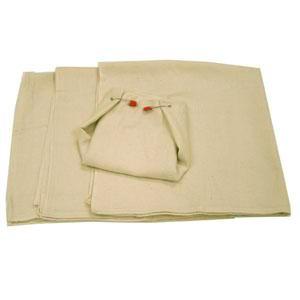
Prefolds: These are a flat cloth diaper with three sections in it and multiple layers, the majority of thickness being in the center. These require either pins or a snappi for closure and also require a cover. Prefolds are very economical and can also be used to stuff into pockets for added absorbency, and later on as burp cloths or even cleaning rags. When used as diapers, prefolds wash up very nicely.

Autumn from All About Cloth Diapers explains the prefold system very well:
"Prefolds are an absolute staple that every mother should have in her basket. They are amazingly durable and versatile. A prefold diaper is a rectangular piece of cloth divided into 3 sections. The outside layers contain 4 layers of fabric and the middle contains either 6 or 8 layers. The middle layer is the absorbent layer. You will see the prefolds described as 4x8x4 or 4x6x4. This describes the number of layers in the sections. It does not always mean the 4x8x4 are more absorbent. It is the weight of the fabric that indicates absorbency.
You will find some variations to the number of layers especially if you are purchasing specialized prefolds made with bamboo or velour. In some cases there may be 2 layers of bamboo with an extra layer of hemp in the middle.
Bamboo is a highly absorbent material, therefore needing fewer layers than cotton prefolds. This allows for a trimmer fit as well. It comes down to what you want to pay and how soft a fabric you desire.
Prefolds generally come in three sizes-
- Preemie (4-10pounds),
- Infant (newborn to 15 pounds) &
- Premium/Toddler (15-30 pounds).
There are different types of prefolds out there and many abbreviations for them.
- DSQ simply means that it is Diaper Service Quality versus the type of diaper you would find in your discount store. They are more absorbent than the Gerber brand and are the type that you would pay money for from a diaper service company.
- CPF stands for Chinese Prefold
- Another option for prefolds are Indian Prefolds. Indian prefolds are said to be softer than the CPF and are made of gauze rather than twill.
- There is also the choice of bleached or unbleached. Bleached prefolds are not whitened with bleach but rather with peroxide. Unbleached are in a natural cream colored state. Unbleached do require extra prep time to remove the natural oils in the fibers.
Prefolds can be pinned or snappied on your baby or you can fold it in 3 (trifold) and lay it in a cover."
Flats: Think pioneer days. These were probably the first cloth diapers used. Basically, it is just a large square of fabric that you fold up (you can search the web, YouTube is great, for different folds) and then secure with a pin or snappi (avoid poking your baby with pins altogether). Flats are usually made up of cotton and require a cover.
I have never used flats as cloth diapers. I do have some, but purchased them back when Dax, my first baby, was born to be used as burp cloths. They also make great, soft cleaning rags ;) These can also be folded up and stuffed in a pocket diaper for added absorbency. Flats also wash up very nicely.
Covers: Covers can come in a variety of materials as well, typically they are made out of PUL, but you can also find covers in fleece and wool as well.


Because I only ever used a cloth diaper that needed a cover when Boston was a newborn/tiny baby, these are the only two diaper covers I have tried. The one above on the left is a Rumparooz lil Joey cover and the one on the right is a ProWraps XS/Newborn. Both of these covers have internal and external gussets, which keep everything contained within the diaper. Another cover that is very popular and has been recommended to me (especially for older babies) is the Thirsties cover (below).

There are so many fun colors and prints to choose from!
You can find many video reviews on YouTube, or peruse Kim's website Cloth Diaper Finder for reviews on just about every diaper out there, along with video reviews. For more information on cloth diapers, check out my go-to website for answers to questions by Autumn at All About Cloth Diapers.
My go-to places to shop online for cloth diapers:
If you have any questions, feel free to post it in a comment :)
Wednesday, January 4, 2012
But...What About the Poop?
This is usually the first question people ask me after getting over the shock that I have gone cloth. It is simple. Newborns or babies who are solely breastfed or formula fed have poop that is water soluble. So you can throw it straight into the washing machine. Poop and all (stay posted for how to wash). When babies begin eating solids, the poop will need to be disposed of prior to going into the wash. There are a couple of different options when you get to this point:
*There is always the well-known plunging of diapers in the toilet (rubber gloves make this dirty job not quite so dirty).
*You can attach a diaper sprayer, similar to a kitchen sink sprayer, to the plumbing in your toilet and spray off the waste right into the toilet.
*You can use a biodegradable flushable liner that lays in the diaper, and then after it is soiled, it is dumped into the toilet and flushed prior to washing the diaper.
*Or you can use a combination of the above.
I know some may think it is gross to be washing dirty diapers in the same machine that you wash your other clothes in, but ask yourself this...what do you do when your child is potty training and has an accident in their clothing, it is thrown into the same washing machine that your other clothes go in, isn't it? Same thing goes for clothing or linens that have been vomited on, or bedding that has been wet on. It really is no different.
And there ya go.
Cloth Diapers? Why?
I began cloth diapering with my second child, Boston. I first started looking into them several months before he was born due to economical reasons. The more I looked into them, the more I found reasons for wanting to go with cloth (in no particular order):
1. The aesthetic factor. They come in a plethora of colors, and even PRINTS! So cute and adorable.
2. Very rarely do you have leaks or blowouts when using cloth like you do with disposables.
3. Babies have far less diaper rashes, or skin irritation with cloth.
4. Cloth is best for the environment.
5. You don't have a stinky diaper pail sitting in your nursery, or dirty diapers sitting on the steps waiting to be taken out to the trash.
6. You can save thousands of dollars going with cloth versus disposables, and even more if you have multiple children in cloth or use your cloth diapers for following children.
7. Wouldn't you rather have soft fluffy fleece against your skin rather than paper?
And so it began. My latest craze, fetish, interest, what have you. I have loved cloth diapering and have had a handful of friends follow with the cloth trend. To make it easier to answer the many questions I get, as well as inform others on cloth and how easy it is, I have decided to put it in writing.
Stay tuned for further entries and information.
Subscribe to:
Posts (Atom)